The Luck:Failure Ratio of Kellogg

By: Pranati Wadhawan, Staff Writer
Sometimes I think back to the day I moved out of my NYC apartment, packed my bags, and moved to Evanston to start at Kellogg. I had a head full of ambition for success, a heart full of hope for bigger things, the pressure of my Indian immigrant family’s expectations on my shoulders, and an apartment in the West tower of E2 full of my boxes. I remember saying bye to my friends and family that I loved and who loved me so deeply, without whom I wouldn’t have even made it where I was going, but knowing the separation was in pursuit of chasing something bigger.
From the day I was born, I was told one thing: I had to finish my graduate studies, get an MBA, and then I could begin my life. So over the years, I worked tirelessly to get to this prestigious “M7” threshold, and now looking to cross it, my head was full of visions of grandeur, like a lot of us have. A job with MBB or a Big Tech company, President of the biggest club, one of the highly selective fellowship programs, starting your own company, meeting your MBA husband or wife. It takes different flavors for everyone, but anyone who denies we dare to taste some of these dreams is lying. The truth is that none of us really got here without being achievement-oriented. We’ve achieved and achieved until we got to hop on a Zoom with Dean Cornelli telling us, Congrats! It’s paid off!

So boy was I in for a reality check when within the first two quarters of Kellogg, not only did I not land the job I was gunning for, but I got rejected from a fellowship I applied for, from clubs I had written about in my application essay, and yes, I still hadn’t found my Kellogg husband. It was my first real experience with “failing publicly.” When you try a new hobby in the comfort of your apartment, or in NYC where I came from, and you realize you’re not very good at it, you have the privacy of your home or the anonymization of 11 million strangers to protect you from that failure in a way. But when hundreds of people know that your career path didn’t pan out the way you wanted to or you didn’t get that thing you really wanted—that one is harder to come back from. And I’ll be honest: I haven’t quite figured out why that is. But that is precisely why the Hub feels like it’s been infected by the plague in the first two weeks of January every year. What I didn’t see coming is the feeling of shame, guilt, anger and frustration that came with this failure. It drove me, quite honestly, into a deep mindset of the opposite of what was making the rounds on social media. I was suffering from a case of what I came to call “unlucky girl syndrome."
This is a dangerous state to be—as I am sure some of you reading this are nodding in relation to. The sun is setting at 4 p.m., and you’re wondering why everyone else is getting that thing you wanted so badly. If you’re anything like me, you go straight to internalizing—that it must be something lacking within you. No amount of “manifest your dream life” TikTok algorithm could get me out of this funk.
Here’s where I introduced my theory that the luck:failure ratio at Kellogg is 1:3. This is a concept I didn’t understand at the time but have since hoped to master. It’s inspired by some Roman philosopher’s (don’t know which one) quote that, luck is what happens when preparation meets opportunity. How the hell am I going to be lucky if I am 100% prepared but never give the opportunity for lightning to strike? So, I started pushing myself in this way—going to that event that I really wanted to go to even though I knew no one there and pushing through my fear of looking like a loser that has no one to talk to. Going to the Lunch & Learn and asking a dumb question about an industry I know nothing about but have always been curious about. Talking to that person at the party that I thought I’d never get along with because we come from such different backgrounds. And I started to see the pattern: for every three things that I did that felt like rejection or failure, I was coming out with one new experience or friend or insight that gave me joy.
The cure I realize now truly is to increase our exposure to rejection and failure. To put ourselves out there more. Now I know—we are all so nonchalant at this school and are afraid to be seen trying. I get it. The social experiment plays mind games with us all. But I urge you to push through it.
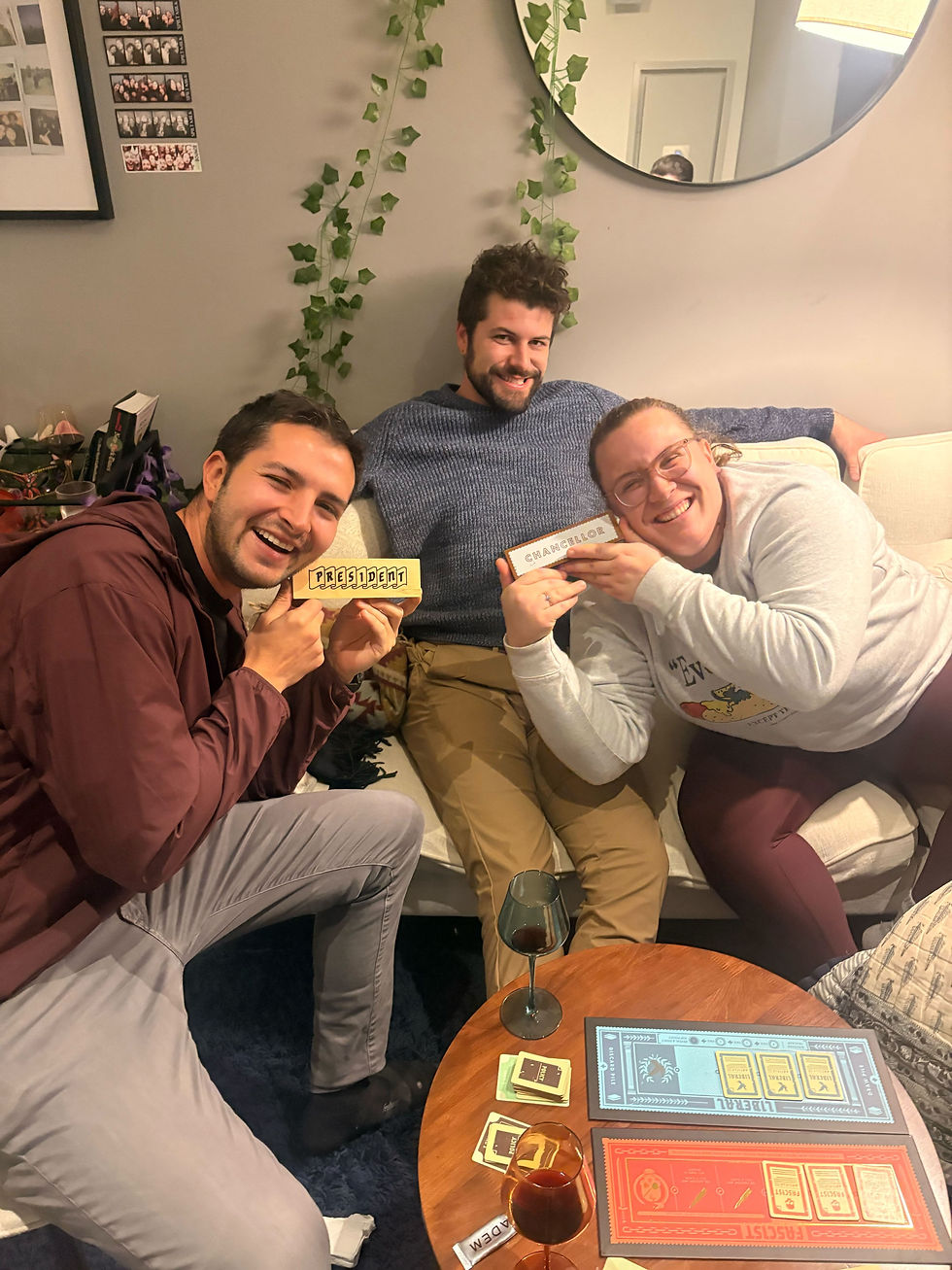
So, these days, I’ve been more focused on “counting my luck square footage” as I like to call it—to flip this failure script on myself. Because at the end of this experience, I am not going to count my ROI by the job or club presidency I didn’t get. I’m going to count it from the nights with my friends that ended in empty bottles of wine and laughter, from the fact that I could text my best friend “I need floor time” and she’d immediately know I’m overwhelmed and come sit on my floor with me until I felt better, or from the time I moderated a talk on vulnerability in leadership and saw a room full of shoulders sag with relief at feeling seen. I now count my luck in the new countries and cultures I’ve gotten to travel to and experience. From showing up to Colombia knowing no one and leaving with a new best friend, to crossing paths with some of the most incredible people I’ve ever met in Personal Leadership Insights, and having the privilege to learn their life stories—their hardship, their paths that got them to Kellogg—and getting to admire them. These days, I realize my luck square footage is actually much larger than I realized. Read More Personal Essays: Navigating Grief in Business School Becoming a Parent in Business School


