Kulture Korner: "Hope" Movie Review

By Matthew Bu
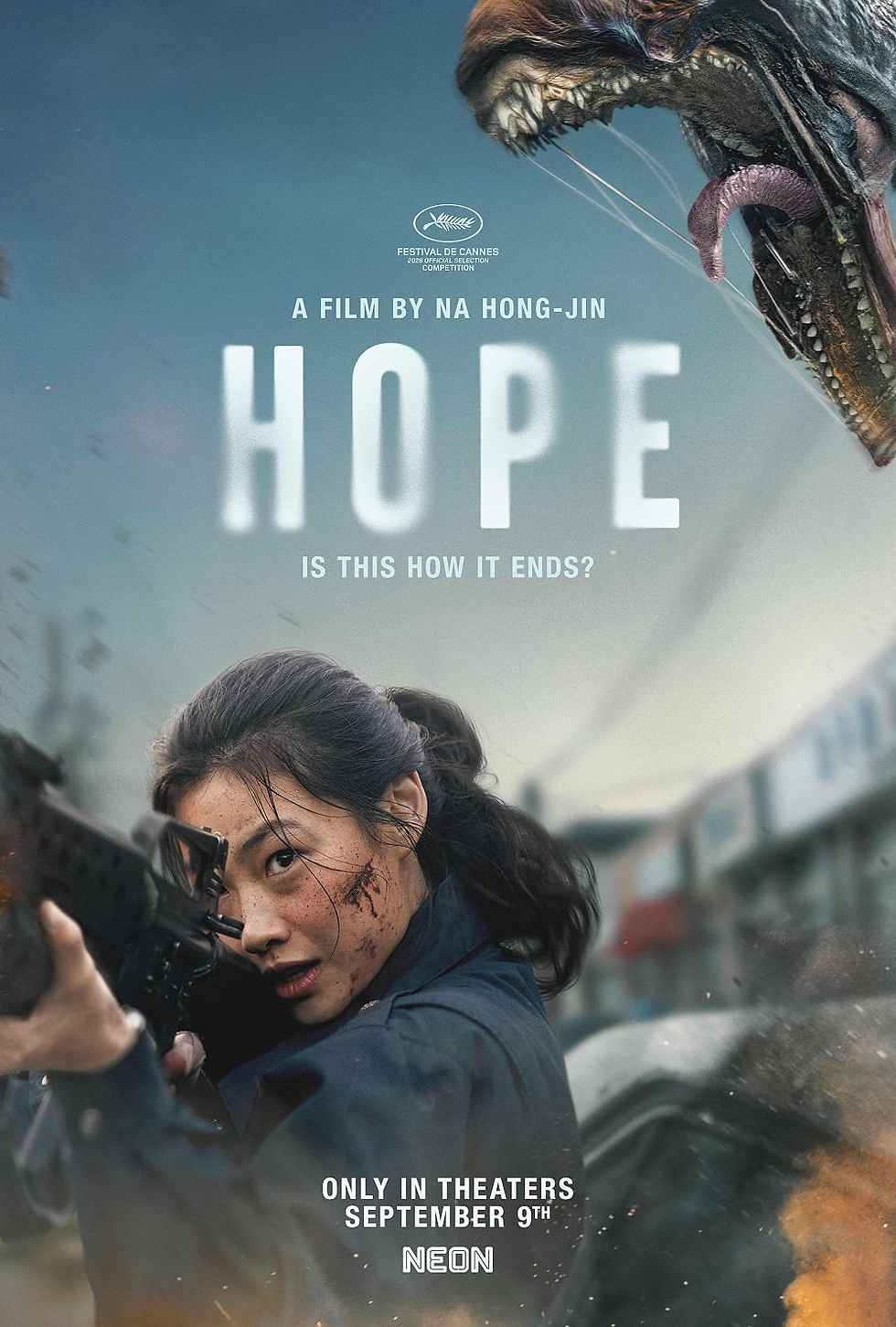
Korean auteur Na Hong-Jin has returned from a sabbatical with his latest cinematic offering, “Hope”. A behemoth of a film with a runtime of nearly 3 hours, it’s Director Na’s biggest film yet. His last film, 2016’s “The Wailing,” was a deft horror thriller that cosplays as a murder mystery before revealing an exploration of Korean shamanism and the scars of Japanese colonialism. Having loved “The Wailing,” the buzz surrounding Na’s latest offering had me proverbially salivating: the casting of husband-and-wife duo Michael Fassbender and Alicia Vikander, the caliber of the local talent (most notably model-turned-actress Jung Ho-Yeon of “Squid Game” fame), and the whale of a budget that made “Hope” the most expensive movie in Korean film history all pointed to something special. The granddaddy of them all was selection to compete for the Cannes Film Festival’s highest honours, the Palme D’or, where the film premiered to a four-minute standing ovation. Since public release, though, the movie has generated divisive feedback. A quick scan of Letterboxd shows a third of viewers have given it a rating of 4/5 or higher, while ~40% of the audience found it to be middling at 3 to 3.5/5. Your Kelloggian reporter took it upon himself to venture outside the Evanston bubble to find an AMC showing the movie, to determine whether “Hope” was a truly mediocre experience or a genuine highlight in an otherwise crowded 2026 slate.
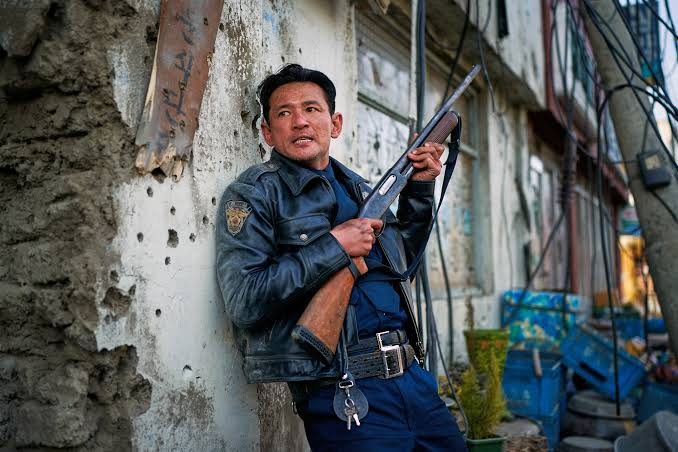
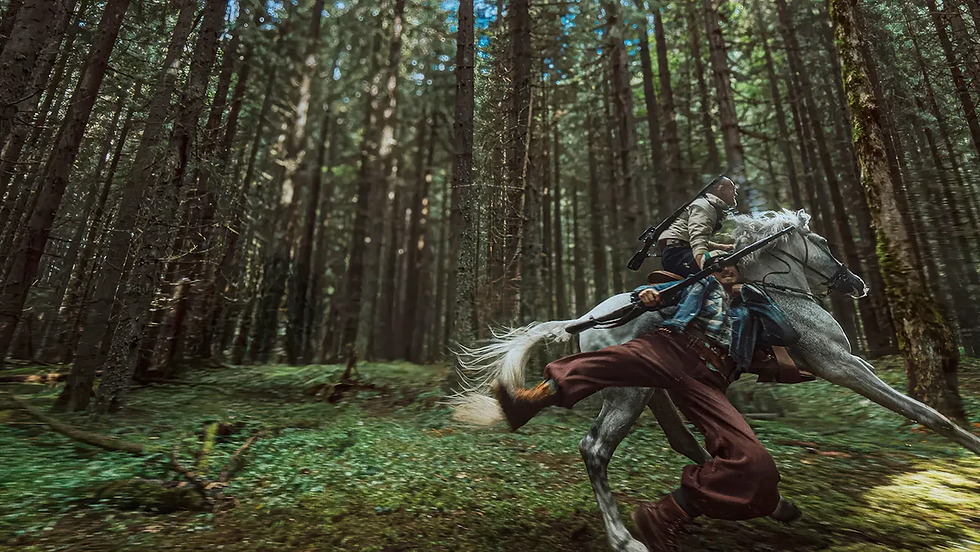
“Hope” follows two main protagonists: legendary Korean actor Hwang Jung-Min’s police chief character, Ko Bum-Seok, and his cousin, Ko Sung-Ki, played by Zo In-Sung, a local who is a hobbyist hunter. The movie opens quickly with them uncovering a strange mystery: dead unconsumed cattle with gaping wounds are popping up in the farmland outskirts of Hope Harbor, a fictional remote village located near the Demilitarized Zone. Is this the work of a bear, a tiger, malicious rogue agents of North Korea, or maybe… a something? Bum-Seok heads back into town to do some further investigation while Sung-Ki heads into the neighboring forest with his troupe of hunters to find what type of beast could kill the cattle in such a bloody fashion.
“Hope” is a monster movie at heart, but it approaches it with such taste. Na masterfully keeps the monsters hidden in the first hour of the film, akin to “Jaws,” as Bum-Seok searches through the carnage of what remains of Hope Harbor, allowing the tension to truly simmer and bubble before the monster’s grand reveal. The film is startlingly beautiful too; as Bum-Seok peers into Hope Harbor’s desecrated buildings and desolated markets and as Sung-Ki ventures deeper into the dense woods, the capturing of natural light helps craft an ominous atmosphere. Hong Kyung-pyo, who you may know from films like “Parasite” or Hirokazu Kore-eda’s “Broker,” is behind the camera on this one and has reached Hoyte Van Hoytema levels of cinematography. These are scenes that look as if they could have been cut straight from a Chloé Zhao film.
Once the monster is revealed at the end of the first act, the film transitions from a monster movie into a truly balls-to-the-walls action blockbuster, with perhaps the best comparable being the frantic high-octane “Mad Max: Fury Road”. The movie has some absolutely incredible and chaotic car chase scenes, with the pinnacle of these being a combination horse-and-car chase that takes place in the movie’s last act. The camera movement here is adept and keeps you engrossed in the action as modes of transportation race and drift through streets, whether it be in pursuit of or escaping the wrath of the movie’s cast of monsters.
Despite Na Hong-Jin’s successful forays into the horror genre, which present themselves through this movie, he is able to expertly weave comedy through the film. Jung Ho-Yeon is hilarious as a plucky rookie cop. In the respite that takes place in the movie’s second act, we’re introduced to a maniacal doctor, who is extremely well equipped to saw through monster remains, and Yang-Bae, a creepy eccentric who moonlights as a carpenter; both characters are guaranteed to generate laughs. There is a hilarious 5-minute monologue around the topic of defecation that generates some much needed levity in the movie. Even the movie title, “Hope,” itself points to a little self-aware irony. Despite the tonal shifts, they never seem jarring or pull you away from how grave the situation is.
There are flaws though, and they’re very apparent. The most common derision of the movie has been how awful the CGI is, and it is laughably bad. At times, it even seems incomplete and looks to be more of an animation pre-vis rather than a final product that got a director’s approval (in an article from the Hollywood Reporter, Director Na has acknowledged this, attributing that there was just not enough time or money to perfect the visuals, and that the film had already fully stretched what the Korean CGI industry could accomplish). If this were a movie that had come out maybe twenty years ago, I would be impressed with the visuals, but they truly do look like they had come out of the Xbox 360 era. Compounding the woes of the CGI are the monster designs, which can be hit-or-miss. On paper, perhaps, it could seem passable, but I can’t begin to imagine the possible embarrassment Michael Fassbender felt seeing the end result of what his face had been converted to on the big-screen.
There are some noteworthy themes raised in the movie as well. What this movie has to say regarding questions about trigger-happy violence, how we treat outsiders in our midst, and the horror of human consumption are all valuable points of discussion, but the movie fails to provide any substantive answer or exploration before throwing you in another maelstrom of bulletfire and Korean curse words. Despite these flaws, I found these to be quite forgivable as they never pulled me away from the thrills the movie had to offer.
What could be less forgivable are the last two glaring issues. Pacing-wise, each act in the movie feels slightly too long; there was a moment in the first act where I was wondering if Bum-Seok had started passing by the same derelict building in his search for the monster. In the second, we get introduced to characters who come and go without adding any value to character development or plot. Shedding some runtime would help the movie feel more concise without hampering any of the mood-building. And then there’s the ending. Without crossing over into spoiler territory, the movie’s last ten minutes abruptly introduce critical plot points and narrative dimensions that drastically expand the scope of the film. It seems oddly forced and leaves you scratching your head at whether the movie just ended in the way it did.
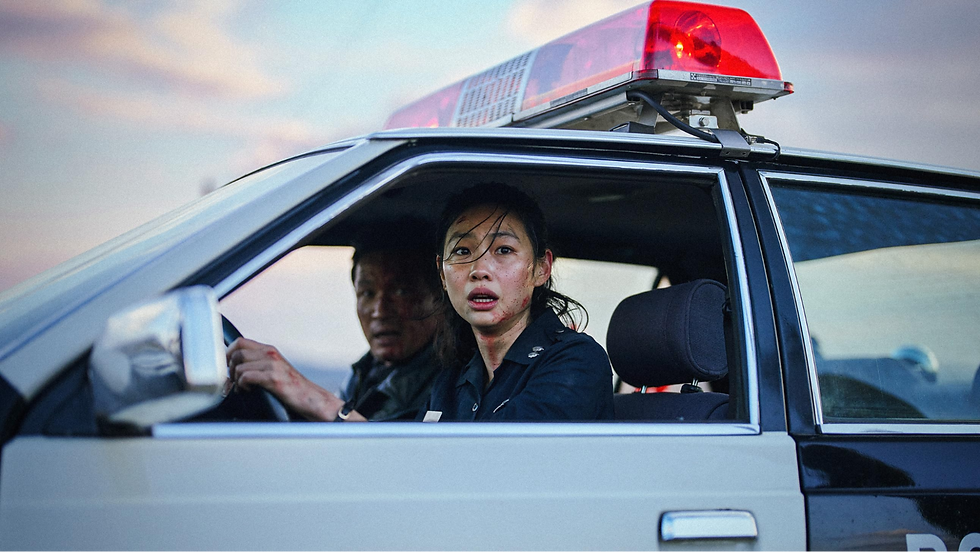
Anchored by strong performances, a gripping plot, and dynamic camera work, “Hope” is a great but flawed movie. Its highs soar, but its blemishes may frustrate you. If you can learn to be okay with them, you’ll have a true spectacle that you can enjoy and be exhilarated by.
Read More Kulture Korner Reviews:


