Humans of Kellogg: E&W Students Tessa Nguyen (Data Analyst, Winston & Strawn) and Jay Rachwal (Firmwide Senior Legal Education & Development Coordinator, Kirkland & Ellis)

The First-Gen Experience at Kellogg
By: Nika Chugh, Staff Writer
Tessa Nguyen and Jay Rachwal both came to Kellogg’s Evening & Weekend program through very different paths.
Tessa was driven by a lifelong desire to reform elderly care, first in her hometown of Chicago and then broadly across the country. She considered getting a PhD or a law degree to help her achieve this goal, but then eventually landed on pursuing her MBA with a focus in economics to round out her education.
For Jay, also a Chicago native, an MBA wasn’t always part of the plan. First starting her career as a community organizer supporting survivors of gender-based violence through survivor-led solutions, Jay now works in corporate education and hopes her Kellogg education can help her bridge the gap between the two to create something truly unique.
Although they both decided to pursue their MBAs for different reasons, one common thread unites them—their experiences as first-generation students. This led the two of them to join the executive board for First-Gen, a Kellogg student organization focused on fostering a thriving community of first-generation MBA students through core values of Community & Belonging, Support, and Visibility for the students they serve.
Defining “First-Gen”

When you think of a first-generation student, you may have a specific idea of what that means in your head. However, Jay and Tessa both prefer to adopt a more all-encompassing definition.
“We both grew up in Chicago and attended Chicago Public Schools, which, by default, are extremely diverse. So, we saw the full spectrum of how first-generation students navigate the educational system.
I knew some students who identified as First-Gen because they were immigrants themselves and it was their whole family's first time navigating the education and professional systems. I also knew students who had parents who are American but they grew up abroad, so they also had a very similar experience of navigating a new environment when they came back,” Tessa told The Kelloggian.
Her family is from Vietnam, and her mom received her degree from a four-year college there. Both of her parents then immigrated to the United States to get their associates’ degrees, but there was often a language barrier, prompting Tessa to take a larger role among her family members.
“I was the first one on both sides of my family to navigate the educational system in this way. I was trying to figure out—how do I get to college? What do I do after college? How do I help my younger cousins?”
Similar to Tessa, Jay’s parents also attended college abroad in Poland, so they never navigated the educational system in the United States. Both Jay and Tessa experienced the hurdles of not having someone to turn to for guidance.
“As an undergrad, I had so many questions. These processes all seemed so abstract to me.”
The experiences of applying to college, navigating their undergraduate education and then pursuing graduate school without a clear roadmap motivated Tessa and Jay to support other first-generation students.
Building Long-Lasting, Impactful Resources
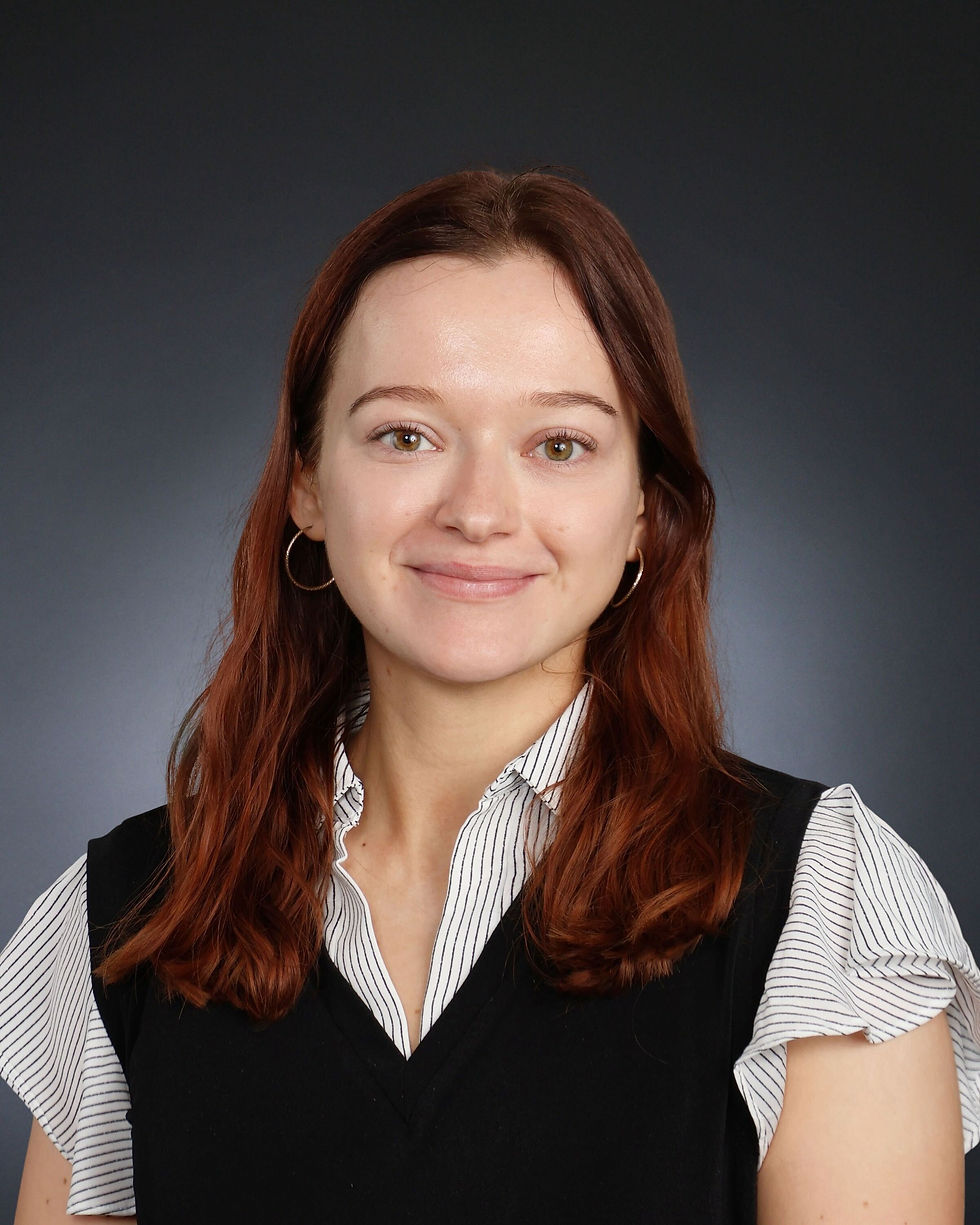
When asked about how First-Gen puts the mission of supporting students into action, Tessa was overcome with enthusiasm about her newest project. Putting her data brain to use, she is currently working on building a database where students can indicate their expertise in non-academic areas to provide support for one another. Think financial literacy or navigating the healthcare system—areas that students may have key insights or knowledge in that they can then share with their peers. This idea of shared knowledge is a throughline for both of their stories.
From Jay herself: “When I was a First-Generation Low Income (FGLI) student in undergrad at Northwestern, we talked a lot about how the work we do to support each other is often washed away when older students leave and new ones come in. Having a centralized system for being able to collect these resources is something we’re excited about.”
Another way First-Gen is achieving this goal is through the recent launch of their Undergraduate - Graduate Mentorship program, which pairs first-generation undergraduate students at Northwestern with graduate students to help them navigate their college experience and whatever may come next—whether that’s graduate school or entering the workforce.
Jay added, “As a First-Gen student, the Evening & Weekend program was the only way I could get a graduate degree. I know that’s the case for many of our peers, so there’s room for graduate students to share their experiences with their undergrad counterparts. How do you actually make a graduate degree happen as a first-generation student? What resources are helpful in this process? That sense of community really matters to me.”
Tessa also commented on how Evening & Weekend students are uniquely positioned to guide these undergraduate students, due to their proximity to the workforce.
“My younger cousin is a student at Northwestern [undergrad] and is interested in STEM, and as a member of the mentorship program, she has direct access to several people currently working in STEM fields. There is a bigger connective tissue that we are trying to create between all of the programs at Kellogg and the broader Northwestern community.”
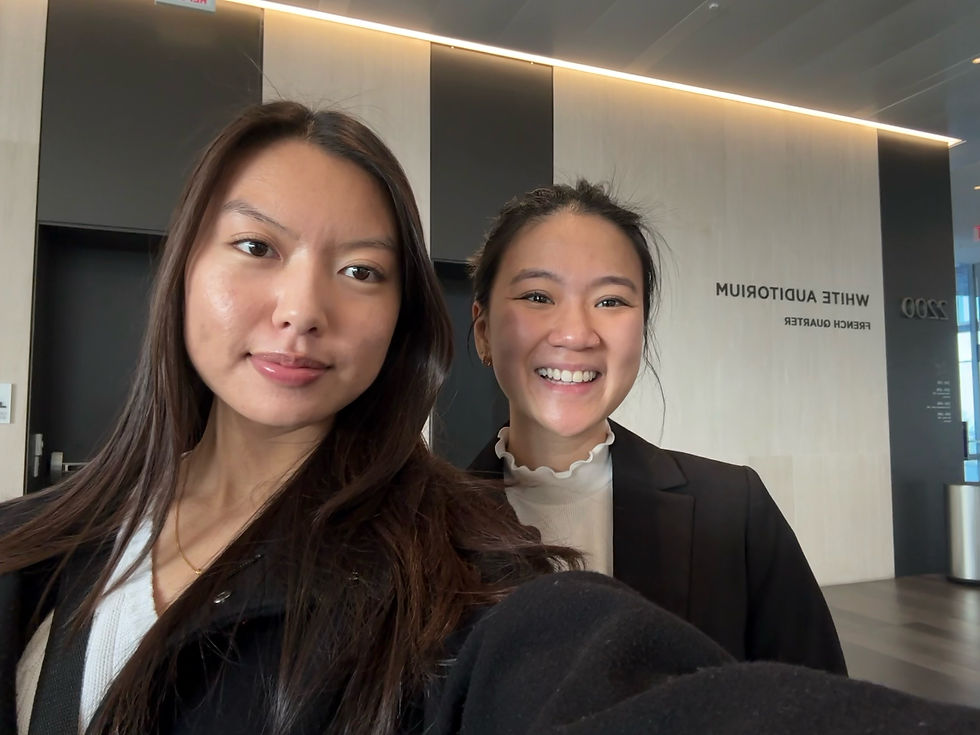
Tessa and Jay shined a light on some misconceptions about first-generation students—namely, that the experience ends when you get your diploma.
According to Tessa, “one of the hardest parts of graduating college was that I didn’t know what I didn’t know. I couldn’t plan the next steps for my life or figure out how to achieve my goals…If I knew what I know now, I would’ve taken a different, simpler path. If I could help simplify that step for our future mentees, that's valuable. That is why it’s so important that we build community among first-generation students, no matter how they come to identify with that definition.”
First-Gen as a Superpower
When speaking with Jay and Tessa about their experiences, I couldn’t help but admire them—and all first-generation students—for their resilience in the face of the often confusing and overwhelming experience that is higher education.
As Jay puts it, “navigating graduate school as a First-Gen student, previously as an FGLI student, just means I get to use the adaptability and intentionality of my undergraduate experience in a completely new way. For me, that means putting myself in unfamiliar situations and trusting myself that I can figure it out as I go.”
This adaptability is front and center as part of their Kellogg experiences, with both commenting on how pushing themselves out of their comfort zones to pursue their MBAs at Kellogg has made them better, both academically and on a personal level.
“I’m taking courses in topics that I don’t know the majority of the content, so to be able to learn from the people around me and my professors has been really cool,” Jay said.
From Tessa’s POV: “When I first started Kellogg, I didn’t expect to like the people as much as I did. It doesn’t feel super cutthroat or competitive. It feels like we are all here to help each other be better and pursue our interests.”
This propensity to try new things also bleeds into their personal lives. Personally, I know Tessa as the resident baker of the E&W Summer Knights ‘25 cohort, always showing up to Wieboldt Hall at the Chicago campus, with a Tupperware full of whatever new recipe she’s trying that week. She also teaches martial arts to kids on the weekends, and if you’re ever wandering around Lincoln Park in the summer, you might see her walking her tortoise Leo Skywalker Tortuga in the sunshine.
Jay is currently learning how to play chess and spending her (limited) time outside of class cheering on Formula One driver Oscar Piastri from McLaren. She also sits on the board of the nonprofit she used to work at, continuing to build community for survivors of gender-based violence.
As I reflect on my conversation with Tessa and Jay, as well as my own Kellogg experience, I find myself remembering how big it felt at the start. So many questions plagued me when I was first considering pursuing a graduate degree, like what school should I go to? When should I go? What programs should I consider? Is it even worth it? Why am I going? Who am I? (Classic pre-grad school existentialism).
Without a community or support system, the journey to finding the answers to these questions can be a confusing, winding road, riddled with uncertainty. The work of the amazing Kellogg students at First-Gen aims to fill in some of these gaps, leaving our community better than they found it. I’m grateful we have such compassionate, community-focused students among our ranks. We have a lot to learn from them.

Read About More Humans of Kellogg: E&W Student Katie McCarthy, Chief of Staff to the CEO, GoFundMe Paige Kotecki (E&W, Kroger) and Ryan Kitchel (E&W, PepsiCo) Chevy Chen (Kellogg E&W) United Airlines Radhika Jajoo (2Y ‘26): Raised by a Village of Women Isabelle Hofgaertner (2Y '26), Former Nike Intern Thomas Reinhart (a JV who's a Boothie!) Keanan Crasto (2Y '27): The JV Who's Basically Doing Kellogg Twice


